
When you, a homeowner, notice water standing in your sink, your immediate reaction is often to attempt any quick fix that springs to mind. However, this DIY method can backfire, especially in older homes, where it might exacerbate the problem and lead to more severe issues.
Cleaning drains the wrong way can cause greater damage than the original clog, resulting in costly repairs and compromising your plumbing system’s health. This article is designed to empower you with the knowledge to decide between a safe DIY attempt and when professional drain and sewer line cleaning is necessary, setting the stage for common mistakes to avoid.
Why Common DIY Drain Fixes Often Worsen the Problem
When you face a clogged drain, your first instinct might be to grab a liquid drain cleaner, but this chemical drain cleaner can be corrosive to your pipes. These chemical drain cleaners generate intense heat and corrosive reactions that can cause pipe damage, specifically corrosive damage to pipes in older homes with clay or cast iron sewer lines. For homeowners, the real danger is delayed damage; a corroded pipe joint can fail months later, turning a simple fix into a costly liability and risk management issue.
Another common DIY mistake involves using makeshift tools, like unwinding a coat hanger to fish out debris. Makeshift tools can puncture pipes, damage joints, or push debris further down, leading to punctured pipes or compacted debris. This mistake transforms a minor blockage into a major obstruction that requires professional excavation.
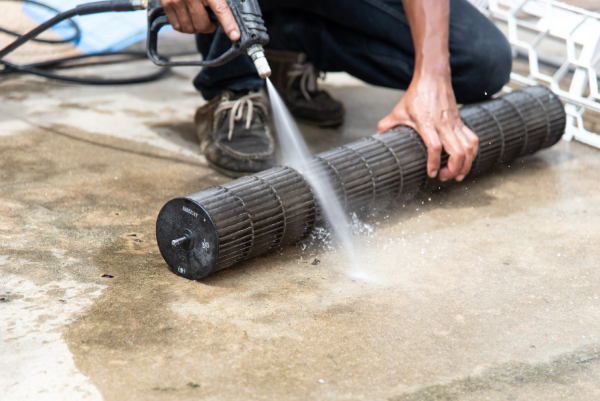
Similarly, using a garden hose or pressure washer is another risky DIY approach. Excessive pressure can force blockages deeper, compact debris against pipe walls, or even blow out weak pipe sections.
Avoiding these DIY mistakes is crucial, but it’s equally important to recognize the signs that your drain issue points to a much larger problem in your main sewer line.
Recognizing When a Simple Clog Signals a Deeper Problem
When you have a single clogged drain, it might not be an isolated issue but could signal a larger problem in your sewer line. Therefore, recognizing red flag symptoms early is key to preventing the situation from worsening:
- If multiple drains in your home are slow or clogged simultaneously, this is a yellow light scenario, indicating a potential main line blockage.
- Recurring clogs that reappear soon after clearing often point to a systemic plumbing problem.
- Water backing up in the lowest drains, like showers, is a strong indicator.
- Do not ignore foul odors or sewage backups from multiple fixtures; these are red light symptoms that clearly signal a serious main line blockage.
A sewer line blockage is a serious issue that can lead to backups and requires professional intervention. In fact, DIY attempts like using chemical cleaners can exacerbate the problem by compacting debris. Therefore, spotting these signs early underscores why proactive drain and sewer line cleaning is a wiser investment than emergency repairs.
Also Read : Exploring Your Water Heater Essentials for High-Demand Properties
The Proactive Benefits of Professional Drain and Sewer Maintenance
Rather than reacting to emergencies, thinking of drain cleaning as a proactive tune-up for your plumbing system is where preventive maintenance truly shines, shifting your approach to routine care.
Why Proactive Water Pressure Management is a Smart Investment
- For instance, with advanced tools like drain endoscopes, professionals can visually assess your pipes’ condition, providing a precise inspection that identifies potential problems early.
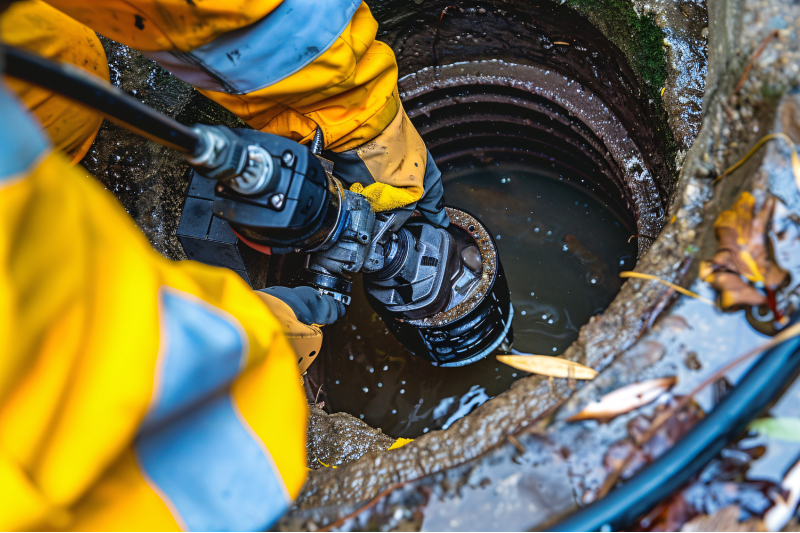
Hydro-jetting is a professional method that uses high-pressure water jets to eliminate stubborn blockages, such as grease and mineral deposits, ensuring thorough cleaning. This preventive maintenance leads to an extended drainage system life and better home health because it prevents odors and backups, improving your living environment.
From a financial standpoint, scheduled maintenance offers significant long-term cost savings; otherwise, you risk expensive emergency repairs or property damage from neglected pipes. For property investors, therefore, routine drain and sewer line cleaning provides essential liability protection, safeguarding against potential legal issues. Moreover, this service ensures return on investment protection by maintaining professional documentation that supports insurance claims and prevents costly tenant disruptions.
Ultimately, viewing professional service as a strategic investment protects not only your plumbing but also your property’s long-term value.
Protect Your Property With Smart Plumbing Decisions
Ultimately, as a capable homeowner, you often tackle minor repairs, but recognizing the limits of a DIY fix is the wisest way to protect your investment. For anything more than a simple clog, hiring a professional plumber isn’t an admission of failure—it’s a strategic decision to prevent a costly disaster.
By choosing this proactive approach, you not only achieve peace of mind but also ensure long-term cost savings, as it keeps your pipes in proper working order.

Leave a Reply
You must be logged in to post a comment.