
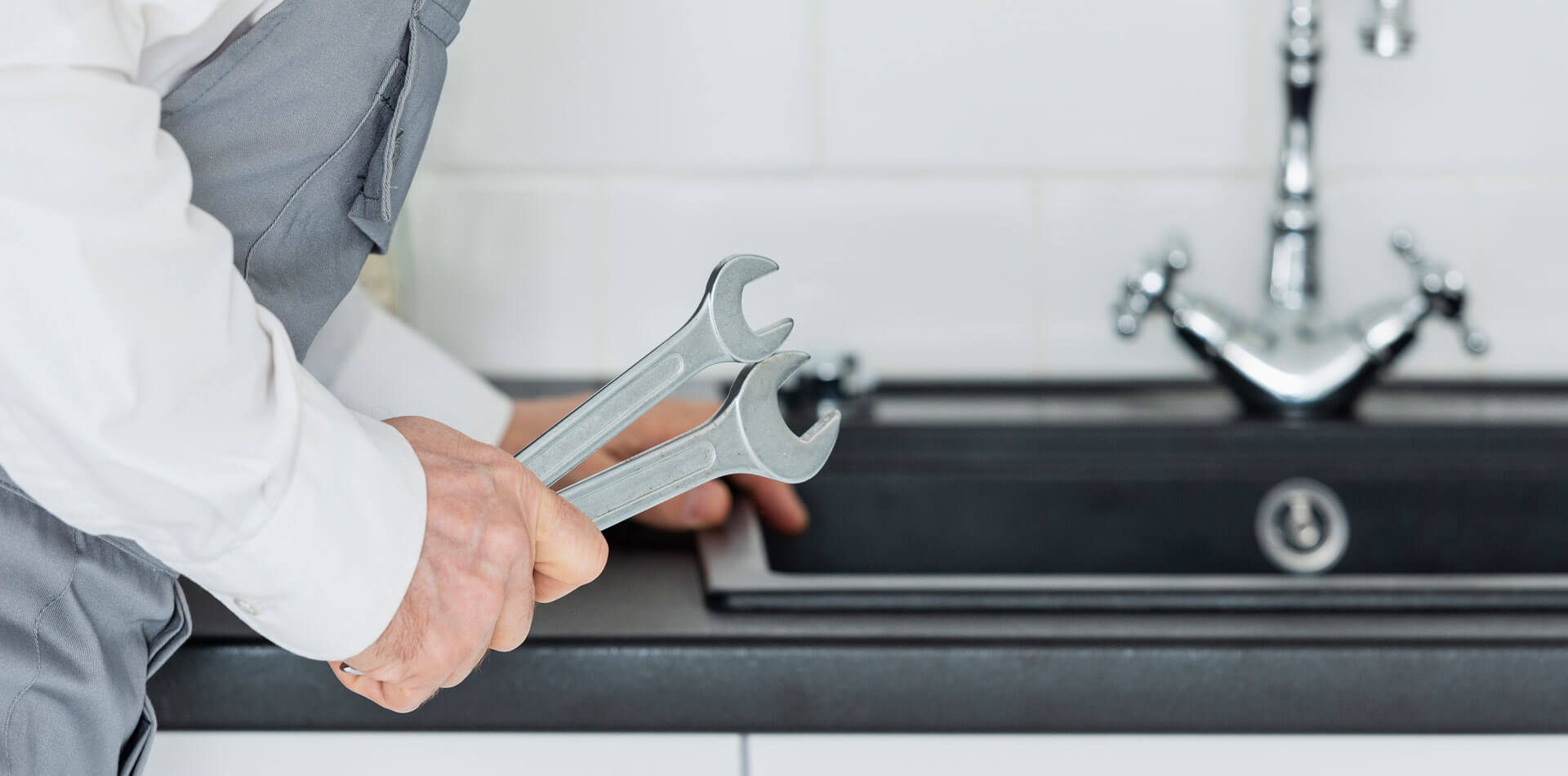

Water pressure is a crucial component of your home’s plumbing system, affecting more than just daily water flow. Measured in pounds per square inch (PSI), it refers to the force of water moving through your pipes.
While sufficient water flow is essential, high water pressure places significant strain on your plumbing system and water-using appliances. Unfortunately, this stress often goes unnoticed until it causes small leaks, costly repairs, and a shorter lifespan for your fixtures. For homeowners and small business owners, this typically results in wasted water and higher utility bills.
This guide provides a practical approach to water pressure management, helping you diagnose potential issues by recognizing common warning signs around your home or business.
Recognizing the Warning Signs of High Water Pressure
It seems that the first warning signs of high water pressure are often subtle, yet persistent problems that can easily be overlooked.
Let’s take a look at the common symptoms you can check for in your home or business.
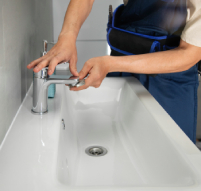
- Are your faucets leaking or dripping constantly, even after you’ve replaced the washers? This persistent drip, whether in home fixtures like sinks or business settings, points directly to high water pressure forcing water past seals.
- Do you hear your toilet running continuously, with that post-flush sound never stopping? High water pressure can force water past the toilet’s internal components, causing it to run and waste water unnecessarily.
- Banging pipes, known as water hammer, occurs due to abrupt changes in water flow from excessive pressure. This causes the pipes to shake and rattle, potentially leading to damage over time.
- Are your water-using appliances, such as washing machines or dishwashers, unusually loud during operation? This noise indicates strain on the appliance’s internal parts, which can shorten its lifespan and lead to premature wear.
This wear can result in frequent appliance breakdowns, and some warranties may be voided if high water pressure is the cause.
- A sudden, unexplained increase in your water bill often signals undetected leaks from excessive pressure.
Beyond annoyance, these issues lead to wasted water and can cause costly repairs from damage to pipes, walls, and ceilings. If these signs sound familiar, the next step is to confirm high water pressure with a simple test using a pressure gauge.
How to Measure Your Water Pressure
A water pressure gauge is a simple measuring device used to determine the force of water, or PSI, within your pipes. You can buy one for about $10 at a local hardware store.
Testing your water pressure is straightforward; follow these simple steps:
- First, ensure all water-using appliances and faucets, such as showers, washing machines, and refrigerators with ice makers, are completely turned off for an accurate reading.
- Next, locate an outdoor faucet, like a hose spigot, and securely screw the gauge onto the faucet.
- Then, turn the faucet on all the way to allow water to flow into the gauge.
The gauge’s dial will display the water pressure, which is measured in PSI.
With your reading in hand, you can now interpret the results:
- An ideal water pressure range for most homes falls between 40 and 60 PSI, as this protects your pipes and appliances from unnecessary strain.
- If your reading is above 80 PSI, the pressure is too high, which can lead to leaks and damage to your plumbing system.
- If it is below 30 PSI, the pressure is too low and may cause issues with water flow.
Knowing your home’s PSI provides the crucial information you need to determine the right course of action.

Understanding Your Options for Water Pressure Management
The primary solution for high water pressure and the key to effective water pressure management is a device called a pressure regulator or Pressure Reducing Valve (PRV). Its function is to lower and stabilize the high incoming pressure from the main water supply to a safer level for household use, thereby regulating water pressure. Typically installed on the main water line downstream from the water meter, the PRV acts as the first line of defense for your home’s plumbing system.
If your PRV is functioning correctly, adjusting it is a potential DIY task you can handle cautiously. To adjust, locate the adjustment screw on the PRV: turning it counter-clockwise decreases pressure, and clockwise increases it.
However, it is crucial to make small, incremental adjustments, such as a quarter-turn, and retest the pressure after each change to ensure safety and accuracy. Therefore, if adjusting the PRV does not resolve the high pressure, it is time to call a professional plumber.
If your pressure reading remains consistently above 80 PSI and does not decrease with adjustments, you should call a professional plumber. Additionally, if the pressure regulator is malfunctioning or unresponsive to adjustments, professional help is necessary.
Ultimately, for any system-wide issues affecting the entire property, contact a professional plumber, as understanding these boundaries is a crucial part of responsible home maintenance.
Also Read : Exploring Your Water Heater Essentials for High-Demand Properties
Taking Control of Your Plumbing and Your Budget
Water pressure management is essential for homeowners to extend the lifespan of plumbing and appliances while preventing costly issues. As part of diagnosing water pressure problems, conduct routine checks to avoid expensive damage from neglected pipes.
By maintaining optimal pressure, you will enjoy reduced water bills and see your appliances last longer, saving you money over time. Start by performing a simple pressure test at your key water outlets to gauge current levels. If you notice any unresolved symptoms or feel uncertain, contact a professional plumber for a thorough inspection.

Leave a Reply
You must be logged in to post a comment.