
Hot water is an essential part of daily life that no home should be without. As a homeowner with high hot water demands, you face a key decision: choosing between a reliable traditional tank-style water heater and a modern tankless water heater that offers on-demand hot water.
While the initial investment for a tankless model can be substantial, the potential for long-term savings through reduced energy consumption often makes it a worthwhile consideration. However, before making any purchase, it is vital to grasp the fundamental water heater essentials to make sure the system you choose meets your household’s specific needs and budget.
This comprehensive guide will explore all the details, including the benefits and drawbacks of tankless and traditional water heaters, empowering you to make a confident decision for your household. We’ll start by breaking down how each type functions.
How Tankless and Traditional Heaters Fundamentally Work
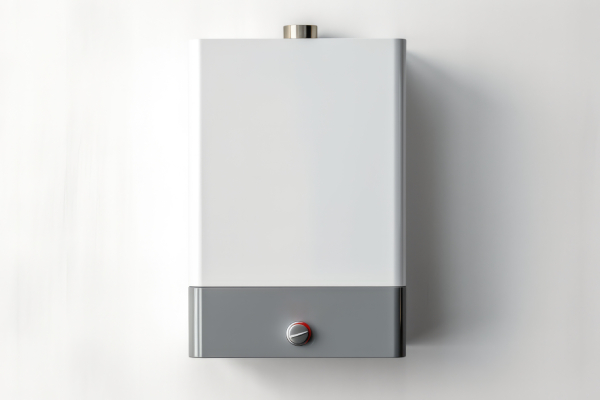
Traditional tank-style water heaters store and constantly reheat dozens of gallons of water; in contrast, tankless water heaters provide hot water on demand, only activating when you open a faucet. As soon as you open a hot water tap, cold water is drawn into the unit and quickly passes through a heat exchanger, where it is quickly heated by an electric element or a gas burner. This process delivers a continuous, endless hot water supply, ideal for households with high demand.
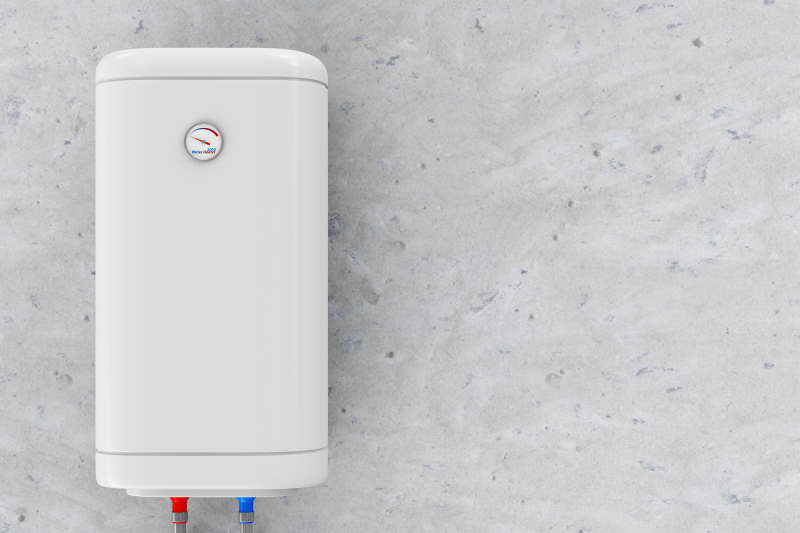
On the other hand, a traditional water heater relies on a large storage tank designed to preheat and hold water until it is needed. The water in this tank must be heated and reheated throughout the day to keep it at a consistent temperature, even during periods of non-use. As a result, standby heat loss occurs, where energy is wasted as heat escapes from the tank over time. Moreover, when the stored hot water is depleted, the system must stop and reheat more water, causing a wait time for the user.
Understanding these core mechanical differences sets the stage for evaluating the financial aspects, such as energy efficiency and long-term savings, which we’ll cover next.
Calculating the True Return on a Tankless Water Heater Investment
Tankless water heaters do come with higher upfront costs for both the equipment itself and the installation. However, with a lifespan of over 20 years and significant energy savings, they can provide a positive Return on Investment (ROI) through long-term savings. In fact, most households can save 20–30% on their annual energy costs, leading to lower utility bills. While traditional tank water heaters typically last only 10–15 years, tankless units are built to last for 20 years or more with proper maintenance.
There are also rebates and incentives available to help offset those initial expenses. For instance, many utility companies offer rebates for installing ENERGY STAR-certified models. Plus, federal tax credits can reduce the total installed cost by up to 30%. Because tankless systems only heat water on demand, they require less energy, which results in energy savings and lower utility bills.
Understanding this on-demand efficiency is essential for your water heater essentials. Now that the financial picture is clearer, it is just as important to ensure the system’s performance can handle your family’s daily hot water demands.
Matching Water Heater Performance to Your Demands
While tankless heaters can supply endless hot water, they may reach their limit during high simultaneous hot water demand when multiple appliances—such as showers, dishwashers, and washing machines—are running at the same time.
When the system gets overwhelmed, you could experience limited hot water output with temperature fluctuations or cold water surprises mid-shower. For larger homes, choosing the right size unit based on usage is crucial, and professional installation of two units might be necessary to meet the demand.
Another consideration is that tankless heaters, unlike traditional models, require routine maintenance to perform at their best. This maintenance involves flushing out mineral buildup, which is especially important in areas with hard water to maintain efficiency. Neglecting these maintenance requirements will lead to reduced efficiency over time.
Therefore, assessing your household size and water usage habits is essential before making a decision.
Also Read : Navigating Your Kitchen Upgrade With Expert Faucet and Fixture Services
Finalizing Your Water Heater Decision With Confidence
Ultimately, your decision between a traditional tank water heater and a tankless model depends entirely on your specific situation. You must balance the upfront cost against long-term savings while considering your household’s unique hot water usage habits.
Of course, every home has different needs, and no single solution fits all. Therefore, consulting a certified professional can help you make the best choice for your circumstances.
Leave a Reply
You must be logged in to post a comment.