
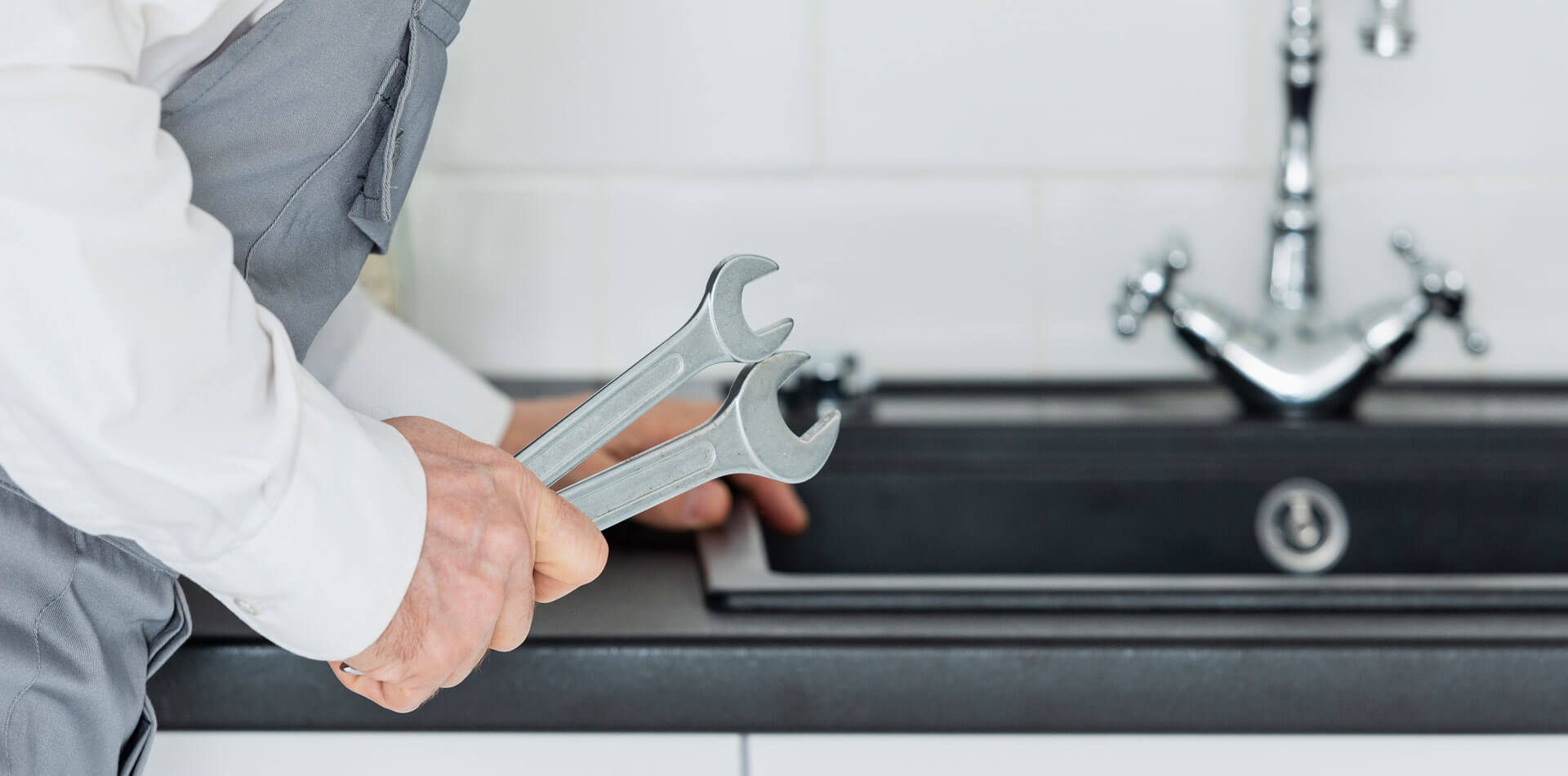

That constant drip from a faucet isn’t just an irritant; it’s financial waste, with every drop costing you money. In fact, this is one of the most common plumbing headaches homeowners face.
Seemingly small drips accumulate into gallons of water waste each day, ultimately reflecting in a higher utility bill. Not only do these drips inflate your bills, but they also reveal the hidden costs of leaks, such as potential damage to your home and the environment.
Let’s explore these hidden costs of leaks and how you can diagnose and address the problem.
Calculating the Financial and Environmental Drain From Your Faucet
The Environmental Protection Agency (EPA) states that household leaks can result in the loss of nearly 10,000 gallons of water each year. To put that into perspective, that’s sufficient to fill a swimming pool, highlighting the significant environmental impact of leaks.
Let’s focus on a single dripping faucet, which is often dismissed as one of the most deceptive common plumbing headaches. This single faucet wastes over 3,000 gallons of water per year, creating a continuous stream of water waste. This loss translates directly into financial waste, causing an increased water bill that can be over 10% higher each month.
For example, a slow drip of just 10 drips per minute might seem trivial, but it wastes nearly 30 gallons monthly. The monthly cost for this slow drip is typically less than $1, a small but unnecessary expense. However, a faster drip rate of 120 drips per minute wastes a staggering 330 gallons of water monthly. This pushes the cost to around $6 per month, turning a minor leak into a noticeable budget item.
For comparison, a constantly running toilet is even more severe, wasting over 6,000 gallons per month and potentially costing up to $70. Now that the surprisingly high costs are clear, it’s important to understand what’s actually causing that relentless drip.
Identifying the Root Cause of Your Dripping Faucet
The first step to fixing a dripping faucet is determining what is causing the leak. A tiny droplet of water constantly dripping from a faucet’s head, base, or handle can occur for several different reasons, but the problem is often a small, worn-out part.
Here are the most prevalent causes:
- Worn-out Washer: One of the most common reasons for a dripping faucet. Every time you use your faucet, the washer is forced against the valve seat, causing friction that eventually wears it out. Improperly sized or installed washers, or those that have deteriorated over time, can often cause leaks.
- Corroded Valve Seat: Another frequent problem is a corroded valve seat, the part that connects the spout and the faucet. Over time, sediment from your water can build up and corrode this seat, preventing a proper seal and leading to leaks around the spout.
- Worn-out or Loose O-ring: A worn-out or loose O-ring—a small rubber ring inside the faucet that helps create a seal—can cause water to leak from the handle area. This disc can simply become loose after many uses or wear out with time.
- Worn-out Cartridge: If you have a cartridge faucet, the cartridge is a valve that controls water flow, and it will eventually wear out and cause leaks. The cartridge is the plastic piece in your faucet that manages water flow.
While less frequent, some of the more serious common plumbing headaches involve issues beyond these simple parts. For instance, high water pressure in a home can cause faucets to drip constantly by stressing the entire plumbing system and disrupting regular water flow. This excess pressure can cause the internal parts of the faucet to wear out faster than usual.
Finally, broken or cracked pipes can interfere with water pressure and are a definite cause of leaks that require immediate attention.
Identifying the specific problem is crucial, as it helps you determine whether this is a simple DIY fix or a job that requires professional intervention.
Also Read : Establish Your Annual Plan for Preventive Plumbing Care
Choosing Your Solution: Simple Fixes Versus Calling a Professional
After identifying the cause, you face a key decision: is this a simple DIY fix or a job for a professional plumber?
The good news is that while it might sound intimidating, many leaky faucets can be handled with DIY Fixes by a homeowner with the right tools. For example, replacing a worn-out washer, a frequent cause of drips, is a relatively simple fix. Similarly, replacing a loose or worn O-ring to stop a handle leak is a quick task that involves disassembling the faucet.
However, some of the more serious common plumbing headaches fall under professional repairs and require a plumber’s expertise to avoid causing further damage. A corroded valve seat, for instance, requires a professional plumber to repair correctly. Likewise, issues like pipe repair/replacement or improper water pressure demand a plumber’s attention to test, readjust, or replace components.
Remember: If your DIY attempt fails or you aren’t confident, don’t be reluctant to call a professional to complete the job efficiently.
As a renter, your repair options are different, but understanding the problem helps you advocate effectively for timely repairs.
- When approaching your landlord, frame the conversation around financial waste and the risk of water damage rather than just inconvenience.
- You can present the numbers: “The leaky faucet is causing Financial Waste by wasting approximately 720 gallons monthly, which increases the water bill by about $15-20.”
- Also, emphasize the urgency by explaining how a $10 washer replacement today prevents a $200 emergency call later when the leak causes water damage.
Presenting the issue this way demonstrates a proactive approach and makes approval for a professional repair far more likely.
Take Control of Your Plumbing and Your Budget
That dripping faucet isn’t a full-scale emergency, but it’s a common plumbing headache you can’t ignore. As a result, it’s a leak in your budget that risks costly property damage.
By addressing plumbing issues promptly, you benefit from:
- Saving money
- Conserving water
- Preventing costly damage
Now, you can choose between simple DIY fixes or calling a professional plumber based on the cause. So, don’t delay—use your knowledge to inspect your faucet and make the repair.



Leave a Reply
You must be logged in to post a comment.