

If you are a well owner who depends on a private well, it is a common experience to be startled by the sudden appearance of sediment in your well water. Rest assured, you are not the first person to wonder about its cause; this is a frequent question for many well owners. Although this discovery may seem like a minor inconvenience, the presence of sediment can be an early indicator of larger water quality concerns that should not be overlooked.
In this guide, we will walk you through the common causes of sediment in well water, explain its potential impact on your home, and lay out clear solutions to manage it. First, let’s start by defining what sediment is and exploring the most common reasons it finds its way into your well water.
Identifying the Sources of Sediment in Your Well System
Sediment consists of tiny particles such as dirt, sand, silt, and clay that can make your water appear cloudy or leave visible specks at the bottom of a glass. Before you worry, try this simple test: let a glass of water sit undisturbed for a few minutes.
- If the cloudiness disappears, it was likely just harmless air bubbles, which are common and not a cause for concern.
- If particles settle at the bottom, then you are dealing with sediment.
Most sediment in your well water comes from natural sources or issues with your well’s structure, which are generally manageable. Here are the common causes:
- Natural Deposits: Over time, sand, silt, and clay can enter your well from the surrounding soil.
- Aging Pipes: Corrosion and mineral buildup in older pipes can dislodge and contaminate your water.
- Cracked or Poorly Sealed Well Casing: This allows debris to enter your water supply, as it creates an opening for dirt and other particles.
- Improper Pump Placement: If your well pump is set too low, it can draw in sediment that has settled at the bottom of the well.
- Heavy Rain or Recent Well Construction: Stormwater runoff or drilling activities can stir up silt and debris, temporarily clouding your water.
While these sources might seem minor, the sediment they produce can lead to significant issues, highlighting broader water quality concerns for your home’s plumbing, appliances, and health.
How Sediment Affects Your Plumbing Appliances and Health
Even though sediment isn’t always a direct health threat, it can introduce risks based on what it carries. Sediment can:
- Change how your water looks, tastes, and smells.
- Clog your plumbing.
- Damage appliances that use water over time.
You might notice reduced water pressure, frequent clogging of faucets and showerheads, or iron-stained tubs, sinks, and laundry. If left unfiltered, sediment can wear down faucets and fixtures, resulting in corrosion and leaks.
Appliances like washing machines, water heaters, and dishwashers may underperform or fail prematurely due to this abrasive material. Beyond these mechanical issues, sediment can also harbor health hazards. It can contain contaminants such as bacteria, viruses, and parasites, which contribute to microbiological contamination. As a result, exposure to these elements can cause waterborne illnesses, including gastrointestinal problems.
In fact, studies have shown that well water with high sediment levels is linked to an increased risk of gastrointestinal illness. Therefore, addressing sediment is crucial not only for preventing expensive plumbing and appliance damage but also for protecting your family from these hidden water quality concerns.
Recognizing these potential problems is the first step, and fortunately, there are clear and effective ways to manage sediment in your well.
Practical Steps to Identify and Address Well Water Sediment
Before you invest in any filtration system, it is crucial to perform a systematic assessment of your water sediment situation to avoid unnecessary expenses and ensure the right solution:
- Start with a DIY settling test: collect a water sample in a clear container, allow it to sit undisturbed for several hours, and observe the settled particles for quantity, color, and texture, which can indicate the source of the sediment.
- Implement regular well maintenance, including annual inspections and cleaning, to prevent debris from entering your water system, reducing the need for frequent filtration.
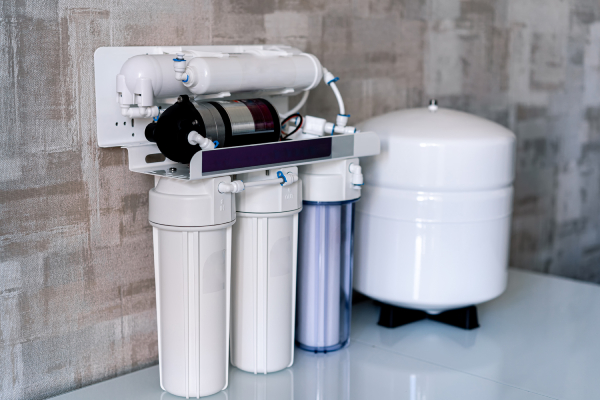
- For active sediment removal, filtration is the most effective method, using various systems to trap particles like sand, silt, and other debris. Filtration options are divided into two main types:
- Point-of-use systems for individual fixtures and whole-house systems that treat all water entering your home. Point-of-use filters, such as those installed under a sink or on a showerhead, are perfect for improving water quality at specific locations for drinking or bathing.
- Whole-house filtration systems provide comprehensive protection by removing sediment from all water sources, thereby safeguarding your plumbing, appliances, and overall water quality.
However, before selecting any filtration system, it is essential to get your water professionally tested to identify all potential water quality concerns and ensure the chosen solution is appropriate. This professional testing helps you understand the complete picture of your water’s condition, allowing you to make an informed decision and select the most effective filtration method for your home.
By following this structured action plan, you can effectively manage sediment in your well water, protect your home’s infrastructure, and ensure a safe and clear water supply.
Also Read : Understanding the True Cost of Common Plumbing Headaches
Achieving Clear and Safe Water From Your Well
Ultimately, sediment in your well water is a common and manageable challenge for any homeowner. The investment in comprehensive sediment management pays dividends through:
- Improved water quality
- Reduced equipment maintenance costs
- Enhanced operational reliability
Therefore, a proactive approach is the most effective way to manage potential water quality concerns. Make it a habit to schedule regular well maintenance and periodic water testing; these are the core components of effective water management.
So, ultimately, by taking these actions, you achieve long-term drinking water safety and peace of mind.





Leave a Reply
You must be logged in to post a comment.