
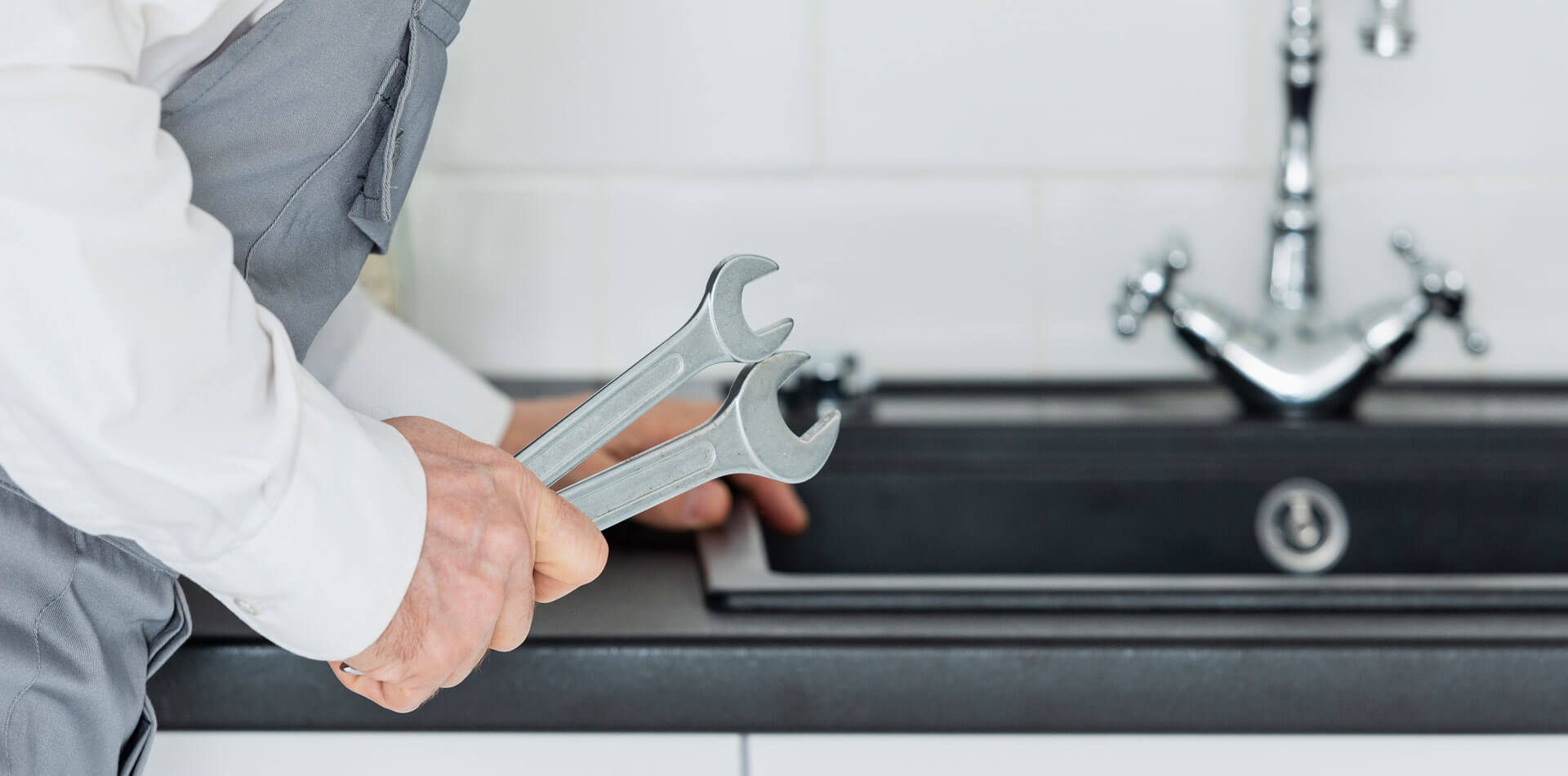
Everett is one of the densest cities in Massachusetts. With 49,000 residents packed into a few square miles, a housing stock built around triple-deckers and two-family homes, and infrastructure that in many cases dates back sixty to eighty years, the plumbing demands here are different from a suburban market. Property owners and residents who treat plumbing maintenance the way they might in a newer single-family home tend to get caught off guard.
Why Multi-Family Housing Creates Compounding Plumbing Problems
A triple-decker in Everett has one main sewer line serving three units. When that line develops a partial blockage, it does not just affect one household. Slow drains on the first floor often signal a main line issue that all three tenants will eventually feel. By the time the problem is obvious enough that someone calls a plumber, it has usually been building for weeks or months.
The shared infrastructure in multi-family housing means that deferred maintenance creates compounding risk. A slow drain in a single-family home is an inconvenience. In a triple-decker, it is often the early warning sign of a main line blockage that will back up into the lowest unit at the worst possible moment. Proactive drain and sewer line cleaning on a scheduled basis is not optional in this type of housing stock. It is the difference between a routine maintenance call and an emergency on a Saturday night.
The Age of Everett’s Plumbing Systems
Much of Everett’s housing was built between the 1900s and 1960s. Cast iron drain lines from that era have a finite lifespan, and many of them are past it. Cast iron corrodes from the inside over time, narrowing the effective diameter of the pipe and creating rough interior surfaces that catch grease, hair, and debris. The system drains slowly, then intermittently backs up, then fails. The progression is predictable and preventable with early inspection.
Galvanized steel water supply lines from the same era have a similar problem. They corrode from the inside, restricting water pressure gradually over years until flow becomes noticeably weak. Many Everett homeowners have lived with low water pressure so long they assume it is normal. In many cases, the pipes are simply failing slowly and the fix is a repipe rather than a pressure adjustment.
Water Heater Demand in Dense Housing
A triple-decker with three families puts constant demand on water heating systems. Tank water heaters in multi-family applications cycle more frequently, sediment builds up faster, and the units wear out sooner than they would in a single-family home. Flushing the tank annually to remove sediment buildup is one of the highest-return maintenance tasks a property owner can perform, and it is one of the most consistently skipped.
Tankless water heaters are increasingly common in Everett renovations for exactly this reason. They handle on-demand loads without the tank capacity constraints and last significantly longer with proper maintenance. The upfront cost is higher, but the per-unit replacement cycle for tank heaters in multi-family applications often makes tankless the better long-term investment.
What Proactive Maintenance Actually Looks Like
For a property owner in Everett managing a triple-decker or two-family home, a reasonable annual plumbing maintenance plan covers four things: drain inspection and cleaning on the main line, water heater flush and inspection, fixture check for slow drips that waste water and signal failing washers or cartridges, and a visual check of accessible supply and drain lines in the basement for early signs of corrosion or joint failure.
None of this is complicated or expensive relative to the cost of an emergency repair. A main sewer line backup in a three-unit building, with water damage to the first-floor unit and emergency service on a weekend, runs several thousand dollars minimum. The annual maintenance that would have caught it costs a fraction of that.
For Everett property owners and homeowners looking for plumbers who understand this type of housing stock, this breakdown of the Everett contractor market covers what to look for and who operates in the area.
The Encore Effect on Everett Property Values
Encore Boston Harbor has driven a significant increase in Everett property values over the past several years. Homeowners and landlords who held properties through the development period are sitting on substantially more equity than they had before. That increased value makes deferred maintenance more costly in a different way: a plumbing failure that damages a unit or creates habitability issues in a property now worth $600,000 is a much bigger problem than the same failure in a property worth $300,000.
Investors who bought into Everett ahead of the Encore development are increasingly treating their properties as the assets they have become, which means taking maintenance seriously. Plumbers in Everett who understand both the older housing stock and the newer commercial development coming out of the waterfront area are capturing a growing share of that work.

Leave a Reply
You must be logged in to post a comment.